























Shipment visibility
Tracking, ETAs, and exception handling.


Fleet, warehouse, and shipment platforms that improve visibility, coordination, and on-time delivery when volume and exceptions rise.
How we help
Logistics fails quietly when tracking, dispatch, and customer updates drift apart. We build shipment, fleet, and warehouse systems that keep ETAs honest, exceptions visible, and customers informed without constant manual chasing.
Tracking, ETAs, and exception handling.
Routing, assignment, and driver tools.
Inbound, inventory, and outbound workflows.
Status notifications and self-serve tracking.
Key challenges
Shippers and operators lose money when tracking, dispatch, warehouse handoffs, and customer updates drift apart during peak load.
Status events arrive late or inconsistently, so ops discovers delays after the customer already called.
Assignments ignore capacity, route reality, or warehouse readiness and create cascading misses.
Inbound, inventory, and outbound teams work from different truths about what is ready to move.
Proactive notifications are missing, so support spends the day answering “where is my shipment?”
In the field
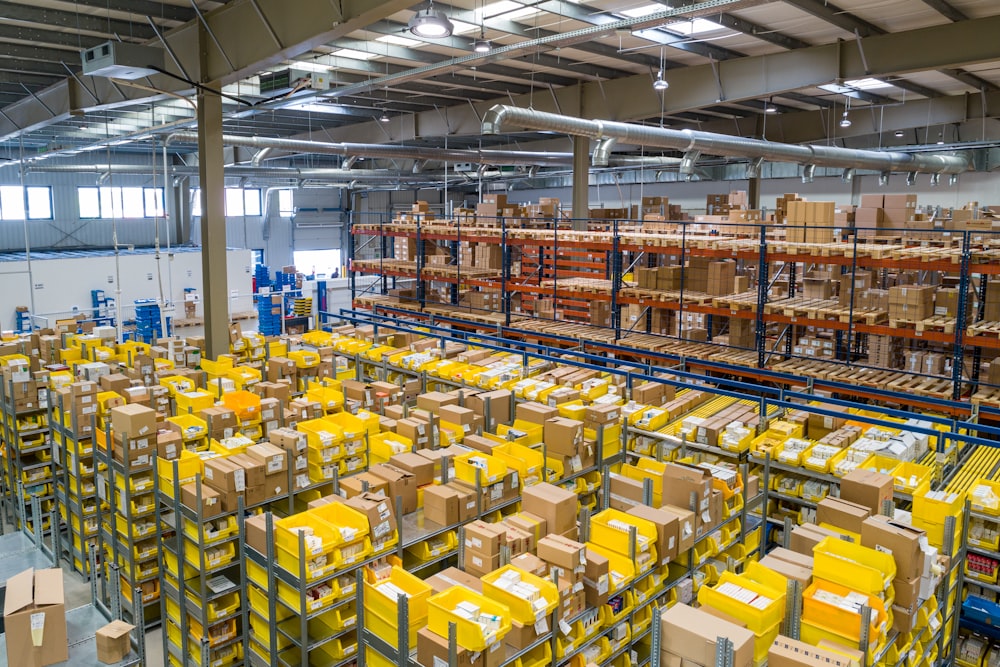
Scenes from the environments, teams, and workflows these products are built to support.



Use cases
Visibility, dispatch, warehouse, and customer-communication scenarios built for exception-heavy operations.
Event pipelines and exception alerts give ops and customers a shared view of what is moving.
Assignment and driver tools account for capacity and route conditions instead of optimistic spreadsheets.
Receiving, inventory, and packing workflows reduce lost handoffs on the floor.
Tracking pages and delay notices cut reactive support volume during peak season.
Solutions
Product and platform work shaped around logistics workflows, not generic software templates.

Tracking, ETAs, and exception handling that give ops and customers a shared source of truth.

Routing, assignment, and driver experiences that keep vehicles and jobs coordinated.
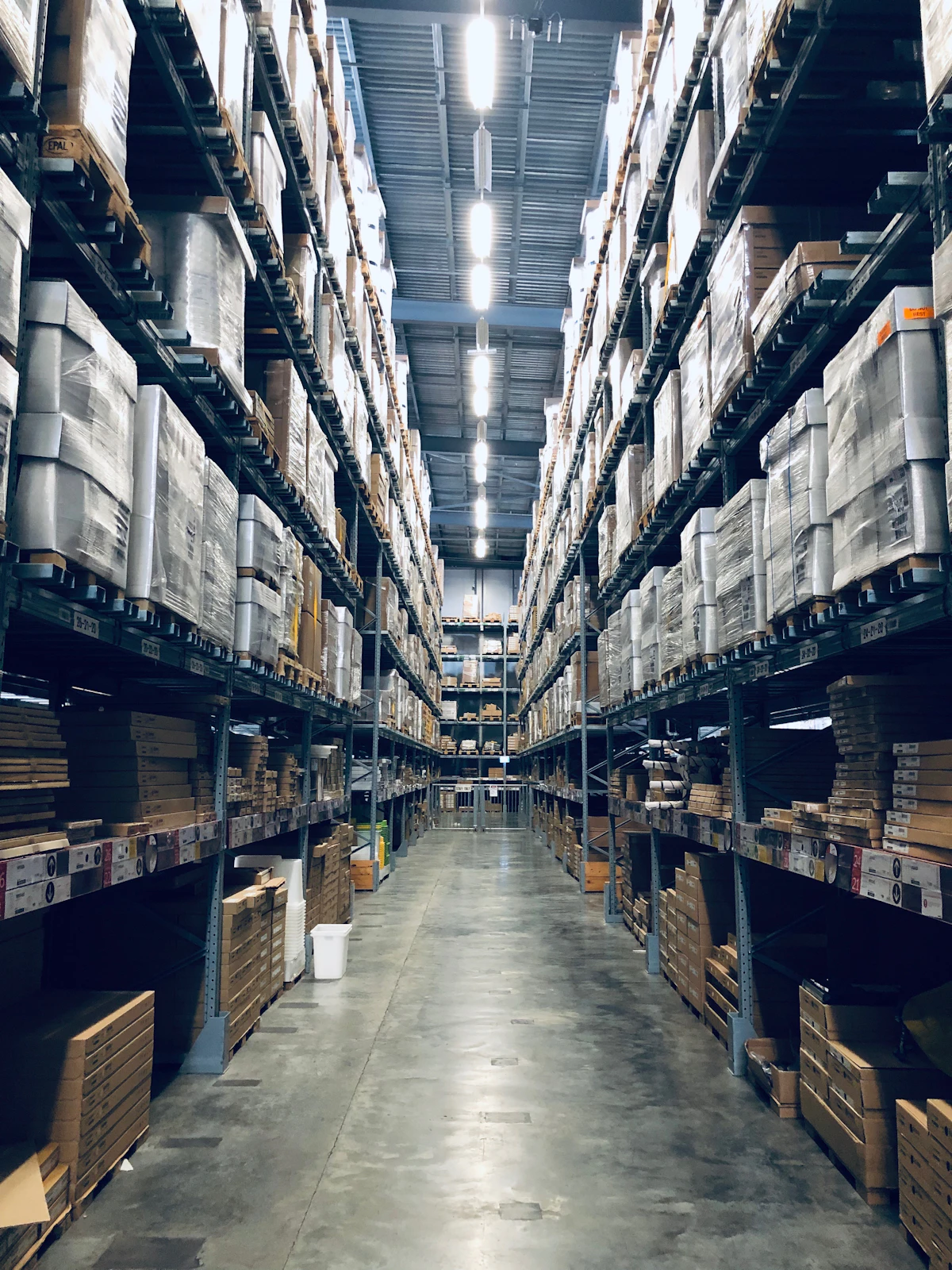
Inbound, inventory, and outbound workflows that reduce lost handoffs on the floor.

Status notifications and self-serve tracking that cut “where is my shipment” volume.
Key benefits
What logistics teams gain when software fits their real operations, customers, and constraints.
Ops teams see what is moving, delayed, or at risk sooner.
Dispatch, warehouse, and customer updates stay connected.
Automated updates reduce reactive support load.
Tools that still work when peak season hits.
Problems surface early instead of disappearing into spreadsheets.
Connect carriers, WMS, and commerce systems as you grow.
How technology helps
We build logistics software that stays accurate when volume spikes: event-driven visibility, operable dispatch, and customer communication that does not depend on heroics.
Delays and failures surface in the same system that tracks happy-path shipments.
Assignments reflect what is actually packed and ready, not what the spreadsheet hoped.
Mobile experiences are designed for real network conditions and quick status capture.
Notification rules turn status changes into proactive updates.
Order and label data stay aligned across the tools that create demand and move freight.
Helpers flag patterns and support planning while operators remain accountable for decisions.
Capabilities
Platforms, integrations, and AI applications we apply when they create measurable value in logistics.
Event-driven shipment status with reliable update pipelines.
Assignment and field tools that work under real network conditions.
Inbound-to-outbound flows with clear operator UX.
Helpers that flag risk patterns and support planning decisions.
Customer and internal alerts based on shipment state changes.
APIs that keep orders, labels, and status in sync.
Related industries
Explore adjacent verticals where similar workflows, compliance needs, or customer journeys show up.
Delivery process
A transparent process shaped around logistics discovery, build milestones, and launch readiness.
We learn your workflows, compliance needs, and customer journeys before proposing a build plan.
We ship in milestones: UX, core features, integrations, and staging reviews your team can validate.
We go live carefully, train users, and stay available for improvements as operations evolve.
Why Nexuron
Partnership built around logistics domain reality, secure delivery, and long-term iteration.
We shape solutions around how your industry actually operates, not a one-size template.
Access control, auditability, and stable deployments are part of the plan from day one.
After launch we keep improving with you as regulations, channels, and customers change.
FAQ
Common questions about our logistics work, from scope and integrations to AI and delivery.
Yes. We build visibility, dispatch, warehouse, and customer-update products for logistics and supply-chain teams.
Next step
Tell us about your fleet, warehouse, or shipment visibility needs. We will help you scope an operable system.